Why Saskatchewan has so many farms, from an old barley man who has seen the fields himself
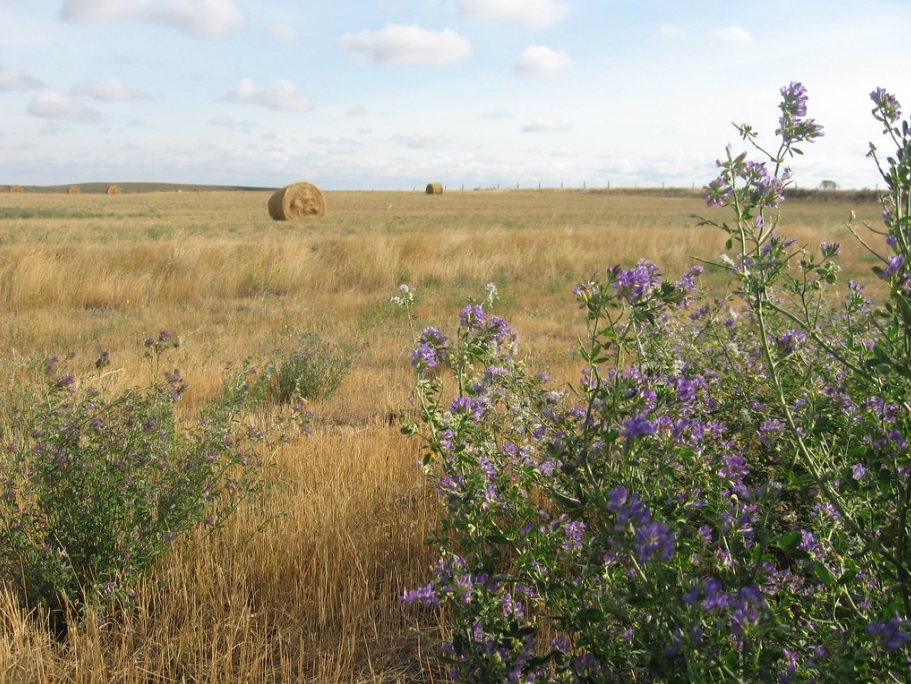
Because this is a blog about industry, and barley, and the kind of work that leaves dirt under your nails, I figured I ought to sit down and write about something folks ask me every so often. Why does Saskatchewan have so many farms? Well shucks, I have been growing barley and straw for a long time now, and I’ve driven those prairie roads until the horizon starts to look the same in every direction, so I think I can take a crack at it. Aye, it’s worth thinking about for 10 minutes before you just shrug and say the land is flat.
When I was a young lad I used to think a farm was just a farm. You had your quarter, you had your wheat or your barley, you had your chores, and that was that. Then I got older and I started paying attention to the maps, and to the old timers at the coffee shop, and I learned that Saskatchewan didn’t just wake up one morning full of farms. Somebody had to THINK about how to get people out there, and then those people had to work like the devil once they arrived.
Back before my time, and I mean way back, the First Nations people were already living on that land and using it in their own way, hunting and gathering and in some places growing what the soil would give them. Then the fur traders came through, and after that the government in Ottawa got the idea that the prairies ought to be settled with farmers. In 1872 they passed the Dominion Lands Act, which is a fancy name for a simple deal. You could get 160 acres, a quarter section, for ten dollars, so long as you built a house, broke some ground, and stuck it out for three years. That’s a deal an old farmer can understand. Cheap land, hard work, and if you lasted you owned it.
The trouble was getting there. The railway changed that. When the Canadian Pacific Railway pushed across the prairies and finished up in 1885, suddenly a man from Ontario or from the old country could put his family on a train and step off in the middle of nowhere with a hope and a plow. Saskatchewan wasn’t even a province yet. It became one in 1905, right in the middle of the big rush. From about 1900 to 1914 the people poured in. Ukrainians, Germans, Scandinavians, Brits, Americans from the Dakotas who already knew dryland farming, and plenty of folks from Ontario who were tired of stumps and rocks. They came for wheat. The soil on those plains, the chernozem if you want the proper word for it, was some of the best grain dirt on earth, and the land was flat enough that a man could farm a big piece once he got a team and later a tractor.
That is the real answer, if you ask me. Saskatchewan has so many farms because it had an ocean of good farmland, a railway to reach it, a homestead law that handed out quarters like seed, and a crop (wheat, and later barley and canola and pulses) that the world wanted to buy. By the 1920s and 1930s the province was covered in little farms, towns every few miles along the tracks, grain elevators sticking up like lighthouses. Then the Dirty Thirties came and taught everybody a hard lesson. Drought, dust, grasshoppers, prices in the ditch. A lot of those homesteaders walked away. The ones who stayed learned about summerfallow, and later about conservation tillage, and they leaned on the wheat pools and the co-ops because one man alone could not fight the railway and the grain buyers. After the war the tractors got bigger, the combines got bigger, and the farms got bigger too. The number of farms went down. The acres did not. That’s the part people forget.
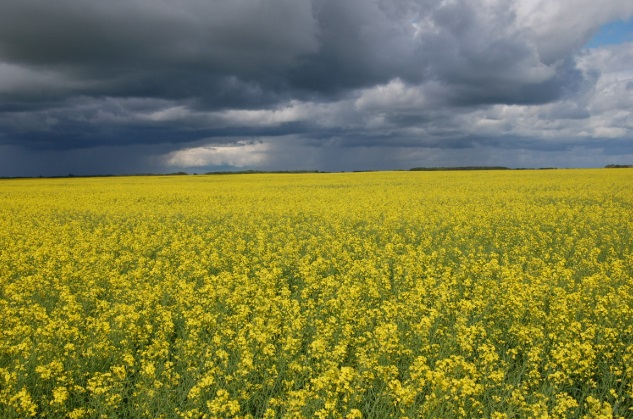
Now let me compare it to the other provinces, because I have had fellas from Ontario tell me they have more farms than we do, and they are not wrong, but they are not telling the whole story either.
Ontario has more farms than Saskatchewan. Last time I looked at the census numbers, Ontario was up around 48,000 farms and Saskatchewan was closer to 34,000. Alberta was in between, somewhere around 41,000. Manitoba was way down, about 14,000 or 15,000. Quebec had a good pile too, mostly dairy. So if you are only counting the front gates, Ontario wins. But Ontario farms are smaller. A lot of them are mixed, a little grain, some dairy, some vegetables, because the land costs more and the markets are closer and the fields have more bush and fence lines. Saskatchewan has the most farmland in the whole country, somewhere around 60 million acres, more than Alberta and a whole lot more than Manitoba or Ontario. The prairie provinces together hold something like 80 percent of Canada’s farmland, and Saskatchewan is the big dog in that pack. Our farms are large because the land is large and the rainfall is modest and you need acres to make a living on grain. Alberta is the closest cousin. Similar soil in the south and east, similar crops, but Alberta has more cattle in the foothills and more oil money in the background, and their farm count sits a bit higher while their total acres sit a bit lower. Manitoba grows a lot of the same things we do, wheat and canola, but the province is smaller and the farms are fewer. Down east in the Maritimes you might have a potato farm or a berry patch that would fit in the corner of one Saskatchewan quarter. British Columbia has fruit and vines and greenhouses, beautiful country, but not the kind of wide open grain land we have. So when somebody says Saskatchewan has so many farms, what they usually mean is you can drive for an hour and never leave farmland. That part is true.
I will tell you a small story that fits in here, because thinking about farms always gets me thinking about iron.
A few years back, before I handed the barley and straw over to my oldest daughter, I was helping a neighbor move a broke down tractor. Not a little garden tractor. A proper field tractor, the kind that can pull a cultivator all day and still have complaints left over. We had it on a trailer, or we thought we did, and the hitch let go on a grid road like they sometimes do when a man is in a hurry and the pin is tired. There we were, two old fellas and a young hired hand, staring at a machine that was no longer interested in going anywhere. That is when you learn that tractor towing is its own kind of farm work. You cannot just hook a chain to the drawbar and hope, not if you want the transmission and the front axle to still be friends with you in the morning. You need the right truck, the right trailer, somebody who’s dragged iron out of a mudhole before and knows which end of the machine is allowed to lead. We got it sorted, eventually, but I have told my girls ever since that if a tractor quits on you far from the yard, you call a outfit that does this every week and you do not try to be a hero with a half inch chain.
Same lesson applies if you are anywhere near the city and the machine has to come off a job site or out of a ditch. I have heard good things about towing Regina when a fellow needs a heavy haul and does not want to guess at the straps. Aye, leave that part to the people who haul equipment for a living. Your job is the crop. Their job is getting the tractor home in one piece.
So that is my answer, for what it is worth. Saskatchewan has so many farms because the homesteaders were handed a quarter and a railway ticket and a sea of dirt that would grow wheat, and enough of them stayed through the dry years that the habit of farming never left the place. The farms are fewer than they were in my father’s time, and bigger than he would have believed, but the land is still there doing what it does. Ontario can count more gates. Alberta can count more cows. We can count more acres, and on a clear day you can stand on a straw bale and see three elevators and somebody else’s combine throwing dust, and that has always been enough for me.
Think on it for 10 minutes the next time you drive that highway. You might see the whole history sitting in the stubble.